Teak Furniture for Hotels, Resorts and Villas
Teak Furniture for Hotels, Resorts and Villas
When guests step into a hotel lobby, a resort restaurant or a private villa, they rarely stop to analyse the furniture. They simply feel something. The room either feels warm and considered, or it feels generic. In hospitality, that first impression is part of the product. Teak furniture has become one of the most trusted ways to create that impression, and for good reason.
## What Makes Teak Different From Other Woods
Teak grows with a natural density and an oily character that most other timber species do not have. Those natural oils and the tight grain help the wood resist moisture, insects and the ordinary wear that comes from daily use in busy spaces. A teak chair beside a pool, a teak bench in a spa, or a teak dining table in an open-air restaurant can handle conditions that would quickly damage softer or more porous woods.
For hoteliers, the practical value is simple. Furniture that holds up well means fewer replacements, less downtime and a more consistent look across rooms and floors. That consistency is worth more than most operators realise until they have tried to replace a single worn-out chair and discovered that the original model no longer exists.
## Where Teak Fits in a Hospitality Property
Hospitality furniture has to work harder than furniture in a private home. It is used by many different people, often without much care, and it is cleaned and moved far more often. Teak fits comfortably into almost every zone of a property.
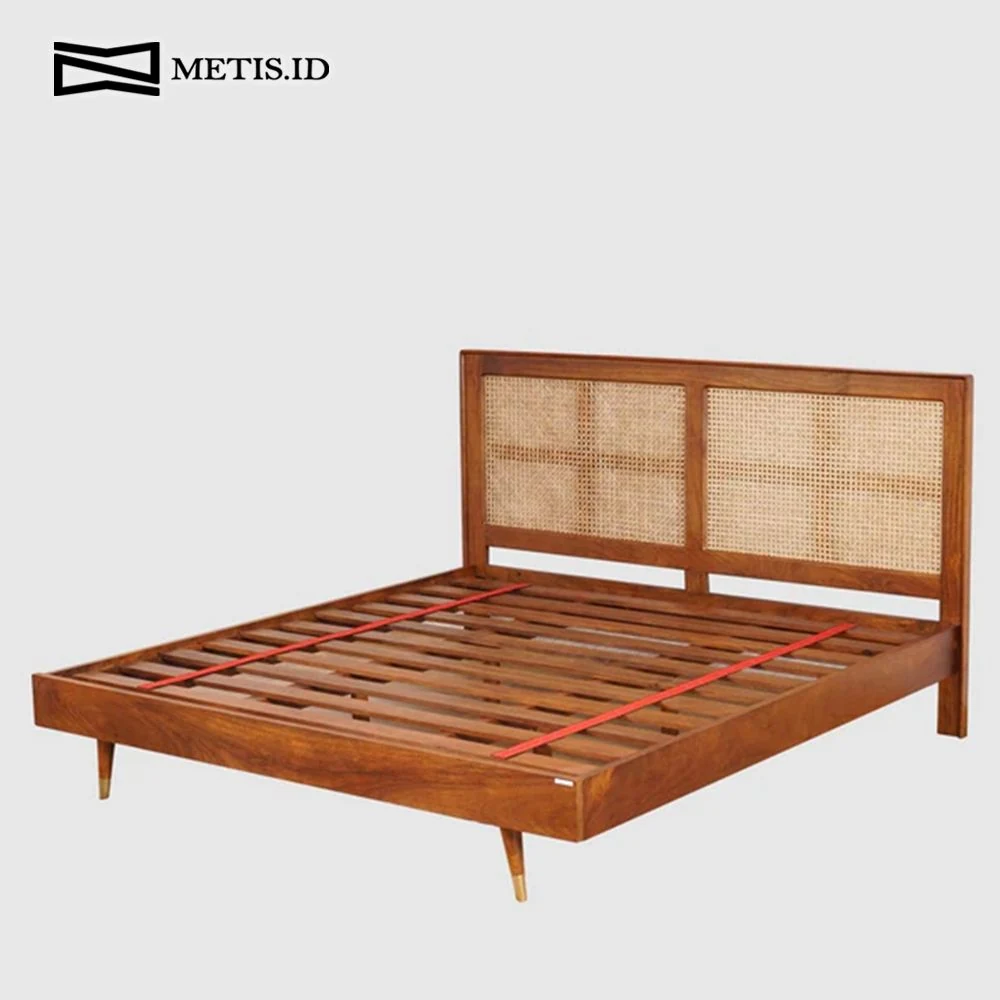
In guest rooms, teak appears in beds, nightstands, desks, wardrobes and luggage benches. In public areas, it shows up in lobby seating, reception counters, coffee tables and shelving. In food and beverage spaces, teak is common for dining tables, chairs, bar tops and serving stations. Outdoor areas such as terraces, pool decks, beach clubs and garden pavilions are where teak feels most at home of all.
## The Outdoor Advantage
Outdoor furniture faces sun, rain, humidity, chlorine and salt air. Many materials struggle here. Metal can rust or become too hot to touch. Some plastics fade, warp or crack. Teak, left untreated, gradually develops a soft silver-grey patina that many designers actually prefer. Others choose to apply oil periodically to keep the original golden-brown tone.
Either way, the structure underneath remains sound. That balance between durability and beauty is why teak has long been the default choice for high-end resort terraces and villa decks. It ages rather than deteriorates, which is a meaningful distinction when a property is trying to maintain a certain atmosphere year after year.
## Why Custom Furniture From Jepara Suits Hospitality Projects
Standard catalogue furniture works for a small cafe. It rarely works for a hotel with a specific design language, unusual room dimensions or a brand identity that needs to be reflected in every detail.
Jepara, a woodworking region in Indonesia, is known internationally for its carving and furniture craftsmanship. Generations of artisans there have built a deep culture around working with solid wood, and teak in particular. When a project needs custom dimensions, custom finishes, custom joinery or a design adapted from an architect's drawing, a Jepara workshop can usually deliver it.
For hospitality, this matters in practical ways. Rooms in a resort are often not identical. A lobby may need a very long table. A restaurant may need chairs at a specific seat height. A villa may need built-in wardrobes that fit an awkward wall. Custom production solves these problems in a way that mass-produced furniture simply cannot.
There is also the matter of visual harmony. When a property orders a full set from a single producer, the grain, tone and finish can be matched across dozens of pieces. That kind of coherence is difficult to achieve when sourcing from several different suppliers at once.
## How to Buy Teak Furniture From a Producer
Buying directly from a producer is different from buying from a retail showroom. It requires more planning, but it also offers far more control over the final result.
Start with clear specifications. Dimensions, wood type, finish, hardware, upholstery and intended location all need to be written down before production begins. Photographs and technical drawings help enormously, especially when a design needs to be replicated or adapted from an existing piece.
Ask about the wood itself. Solid teak and teak veneer are not the same thing, and neither are kiln-dried and air-dried timber. A reputable producer will be comfortable explaining where the wood comes from, how it is dried and how the joints are constructed. If a supplier avoids those questions, that is worth noting.
Request physical samples of the finish. Wood stain and oil look very different in photographs than they do in person, and lighting changes the appearance dramatically. A sample in your hand is the safest way to confirm the final look before committing to a large order.
Discuss lead times early, especially for projects with a fixed opening date. Hospitality schedules are unforgiving, so it helps to understand how production, finishing, quality checking and shipping are sequenced.
## The Importance of Joinery and Construction
Two pieces of teak furniture can look identical and behave very differently. The difference usually comes down to construction. Traditional mortise-and-tenon joints, properly dried timber and thoughtful reinforcement give furniture the ability to survive years of daily use. Screws alone, or timber that was not dried correctly, can lead to wobbling, cracking and premature failure.
This is where experience shows. A workshop that has produced furniture for hotels understands that a chair in a restaurant may be used many times a day, and builds accordingly. The extra care is rarely visible in a photograph, but it becomes very visible after a few seasons of real use.
## Caring for Teak Furniture in Hotels and Resorts
Teak is low maintenance, but not maintenance free. Regular cleaning with mild soap and water removes dust and grime. For outdoor pieces, a soft brush helps clear debris from the grain without scratching the surface. Avoid harsh chemicals and abrasive pads, which can strip the natural oils.
If outdoor furniture is left untreated, it will gradually turn silver-grey. This is normal and does not indicate damage. Properties that prefer the original warm tone usually apply teak oil periodically, following the producer's guidance on timing and method.
Indoor teak generally needs very little beyond dusting and occasional conditioning. In humid climates, good ventilation helps prevent surface mould from forming, and wiping down pieces after cleaning keeps them looking consistent.
## Planning Ahead Saves Money and Time
Hospitality furniture is a long-term investment, and the cost of a piece is not only its purchase price. It is also the cost of replacing it, the disruption of reordering it, and the effect on guest perception when furniture starts to look tired. Choosing a durable material, specifying it properly and buying from a producer who understands commercial use tends to be the most economical route over the life of a property.
## A Partnership Rather Than a Purchase
The best hospitality furniture projects are not simple transactions. They are collaborations between designers, property owners and makers who understand how the finished pieces will actually be used. Teak is a material that rewards that kind of attention, and custom production in Jepara makes it possible to achieve a look that is both distinctive and practical.
## Talk to Us About Your Project
If you are planning a hotel, resort or villa and would like to explore teak furniture produced to your own specifications, the team at METIS Interior is happy to help you think through materials, dimensions and finishes before anything is made. A short conversation at the planning stage often saves a great deal of time later, and there is no obligation in asking questions. Reach out whenever your drawings or ideas are ready, and we can look together at what custom furniture from Jepara could mean for your property.