Teak Furniture Trends for Hospitality Projects
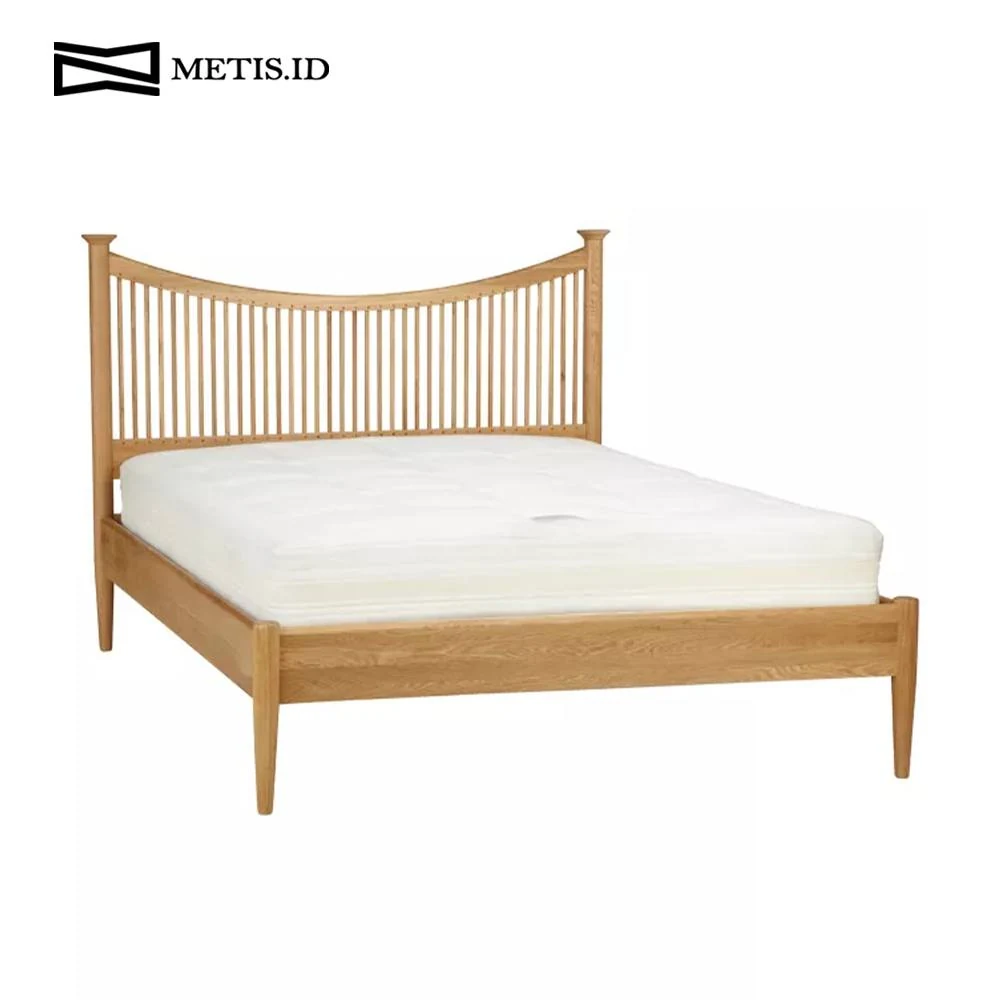
Teak Furniture Trends for Hospitality Projects
Few decisions in a hospitality project create more hesitation than choosing teak furniture. The material looks warm, elegant, and durable in photos, but before signing an order, hotel owners, restaurant operators, and project buyers usually ask the same practical questions: will it survive heavy daily use, how do we clean it, can we get the exact dimensions we need, and what happens if the custom order from Jepara does not match the drawings? Those worries are reasonable. Teak furniture is an operational purchase, not just a design choice. This article addresses the real problem behind those questions: how to specify, buy, and care for teak furniture for hospitality spaces without guessing.
## Why Hospitality Buyers Worry About Teak Furniture
The first worry is usually durability. Hospitality furniture is not treated like home furniture. Guests move chairs with one hand, housekeeping wipes surfaces many times a day, restaurant staff stack stools, and outdoor pieces sit through sun and rain. A beautiful chair that fails in a busy lobby is not a bargain. The second worry is consistency. A hotel may need twenty tables that look alike, or a restaurant may need banquette seating that fits an awkward wall. Natural wood has variation, so buyers want to know how to keep the look coherent without pretending every plank is identical. The third worry is process. Custom furniture from Jepara can offer excellent value and flexibility, but only when dimensions, finish, and construction are discussed clearly before production starts.
A practical way to reduce that worry is to begin with a zone audit instead of a furniture catalog. Walk through the lobby, restaurant, bar, poolside, guest rooms, and service corridors, and write down how each piece will be used. Will the table hold heavy trays or just drinks? Will the chair be moved daily or stay in one position? Will the piece be cleaned with a damp cloth, a spray, or a stronger commercial cleaner? This simple exercise tells you which teak pieces need tighter joinery, which need a more forgiving finish, and which can stay visually lighter. It also gives the producer a clearer brief than a photo alone.
## What Makes Teak Different in High-Traffic Spaces
Teak is valued because it is a dense hardwood with natural oils and good dimensional stability when properly dried. In practice, that means well-made teak furniture can handle the knocks and movement of hospitality use better than many softer woods. But teak is not indestructible, and that is an important point for buyers. The finish, joinery, drying quality, and maintenance plan matter as much as the species name. A teak chair with poor joints will loosen. A teak table with an unsuitable finish will show rings and stains. A teak bench left in standing water will age badly no matter how good the raw material is.
When you review a custom teak furniture proposal from Jepara, ask about construction rather than only appearance. Ask how the frame is joined, how the top is attached, how the piece is sanded, and what finish is recommended for the intended zone. You do not need to become a woodworker to ask useful questions. A simple request such as “show me the construction details and the finish schedule for this piece” is enough to separate a serious producer from a seller who only talks about photos. This is also the moment to discuss whether the furniture will be used indoors, outdoors, or in a covered semi-outdoor area, because the same design may need different finishing and care.
## The Trends That Actually Matter for Hospitality
The strongest hospitality trends are not loud. They are quiet, practical, and built around guest comfort. Warm minimalism continues to shape hotel and restaurant interiors, with teak used as a grounding material rather than a decorative accent. Modular seating is another useful trend because it lets operators reconfigure lounges and restaurants without replacing everything. Indoor-outdoor continuity is also important, especially for resorts and cafes, where the same visual language should move from the dining room to the terrace. Curved edges, visible grain, and natural finishes are popular because they soften large public spaces and photograph well without looking trend-chasing.
For a hospitality project, the smart approach is to use trends selectively. Keep the expensive, hard-working pieces in classic shapes and neutral finishes, then express the trend through loose furniture, cushions, lighting, and small accent tables. For example, a restaurant can invest in sturdy teak dining tables and chairs with timeless proportions, then add a curved teak bench or a sculptural side table near the entrance. This reduces the risk of a public area looking dated before the furniture has paid for itself. It also makes replacement and expansion easier later, which matters when a hotel adds rooms or a restaurant opens a second section.
## How to Read Dimensions Before You Order
Many custom furniture problems begin with dimensions that look correct on paper but fail in the room. Common guidance helps here, but it must be checked against your actual space. Dining tables are often around 75 cm high, with chair seats around 45 cm. Bar stools commonly sit around 65 cm for counter height and around 75 cm for bar height. Sofa seat heights are often 42 to 45 cm, sofa depths around 85 to 95 cm, and coffee tables around 40 to 45 cm. A writing desk is commonly around 75 cm high, and bedside tables often sit around 55 to 65 cm. For circulation, restaurant aisles are often planned at roughly 90 to 120 cm, depending on service style and chair movement.
These numbers are starting points, not rules. The practical step is to mark the furniture footprint on the floor with paper, cardboard, or painter’s tape, then walk the route a guest and a staff member would take. Measure doorways, lifts, stair turns, and corridor widths before production, not after delivery. A large teak table that cannot enter the service lift is a costly mistake. Also test the chair pull-out distance at the table and the gap between the table edge and the banquette. If the space feels tight with a paper template, it will feel tighter with real furniture and people in it.
## Common Mistakes When Specifying Custom Teak Furniture
The most common mistake is ordering from a photo without a dimension drawing. Photos hide scale, joint details, and finish sheen. Another mistake is choosing one finish for every zone. A lobby table, a poolside bench, and a guest room desk may need different levels of protection and different cleaning routines. A third mistake is ignoring the cleaning team. If housekeeping uses strong chemicals daily, a delicate finish will not survive. A fourth mistake is forgetting delivery access. A fifth is failing to document changes. A verbal “make it five centimeters wider” can become a dispute if it is not written into the final specification.
A practical suggestion is to create a one-page specification sheet for every furniture type. Include the room or zone, the exact dimensions, the wood species, the finish name or description, the intended cleaning method, the delivery route, and the person who approved the final drawing. Keep this sheet updated and share it with the producer before production. This single document prevents most misunderstandings. It also gives your operations team a reference for future orders, which is useful when a hotel expands or a restaurant refreshes one area without replacing everything.
## How to Choose a Jepara Workshop Without Guesswork
Jepara is known for woodworking, but not every workshop communicates or documents work in the same way. When choosing a producer for custom teak furniture, ask who will handle your order from inquiry to packing. Ask how drawings are approved, how changes are confirmed, and how the finished pieces will be protected during transport. You do not need a showroom visit to judge these things. Clear written answers, consistent photo updates, and a willingness to discuss construction details are stronger signals than a polished catalog. A producer who asks good questions about your use zone and cleaning routine is usually more reliable than one who only sends a price.
A practical suggestion is to request a small pilot batch before committing the entire project. One table and two chairs, or a single bench for a busy area, will reveal the real finish, comfort, and scale. Use the pilot to test cleaning, seating height, and how the piece looks under your actual lighting. If the pilot works, the remaining order can follow the approved specification. This approach is especially useful for hospitality projects because it reduces the risk of repeating a mistake across many rooms.
## Care and Maintenance That Fits Hotel Operations
Teak furniture does not need complicated care, but it does need a routine that hotel and restaurant staff can actually follow. Daily dusting with a soft cloth, prompt wiping of spills, and avoiding abrasive cleaners will protect most finishes. Outdoor pieces should not sit in standing water, and movable furniture should be lifted rather than dragged. If the finish is designed to be oiled, follow the producer’s guidance on timing and product type rather than asking housekeeping to improvise. The goal is not to baby the furniture. The goal is to make care simple enough that it happens consistently during a busy shift.
A practical suggestion is to place a one-page care card in the housekeeping binder and at the service station. List the approved cleaner, the cloth type, the frequency, and what to do with a spill. Include a note on which pieces should not be moved alone. This is a small step, but it prevents the most common damage: harsh chemicals, excessive water, and dragging. It also helps new staff understand that teak furniture is an operational asset, not just a decorative item.
## A Practical Buying Checklist for Your First Order
Before you place a custom teak furniture order for a hotel, restaurant, resort, or cafe, use a short checklist in prose form. Map each piece to a use zone and cleaning routine. Write down exact dimensions and test them on the floor with a template. Confirm the finish for indoor, outdoor, or semi-outdoor use. Ask for construction details and how changes are documented. Measure the delivery route, including doors and lifts. Choose a producer who answers questions clearly and who will discuss custom sizes and models from Jepara without pressure. Start with a pilot batch if the project allows it. Finally, prepare a care card before the furniture arrives so your team knows how to keep it looking good.
## Contoh produk terkait
Beberapa contoh produk yang bisa dilihat sebagai gambaran: [Meja Jati Besi Natural MM003](/produk/meja-jati-besi-natural-mm003), [Kursi Makan Jati Besi Busa Natural DC023](/produk/kursi-makan-jati-besi-busa-natural-dc023), dan [Kursi Santai Jati Besi Busa Natural KS081](/produk/kursi-santai-jati-besi-busa-natural-ks081).
Teak furniture can be a strong choice for hospitality projects when it is specified with the same care as lighting, flooring, and guest flow. The trends are moving toward warmth, flexibility, and natural materials, but the real value comes from practical decisions: the right dimensions, the right finish for the zone, clear documentation, and a maintenance plan that staff can follow. If you are planning a hospitality project and need custom teak furniture made to specific dimensions and models, METIS Interior produces custom teak furniture in Jepara and offers consultation via WhatsApp. You can share your layout, use zones, and dimension notes, and discuss the production details before placing your order.