Interior Asia: Memadukan Kayu Jati untuk Hunian Tropis
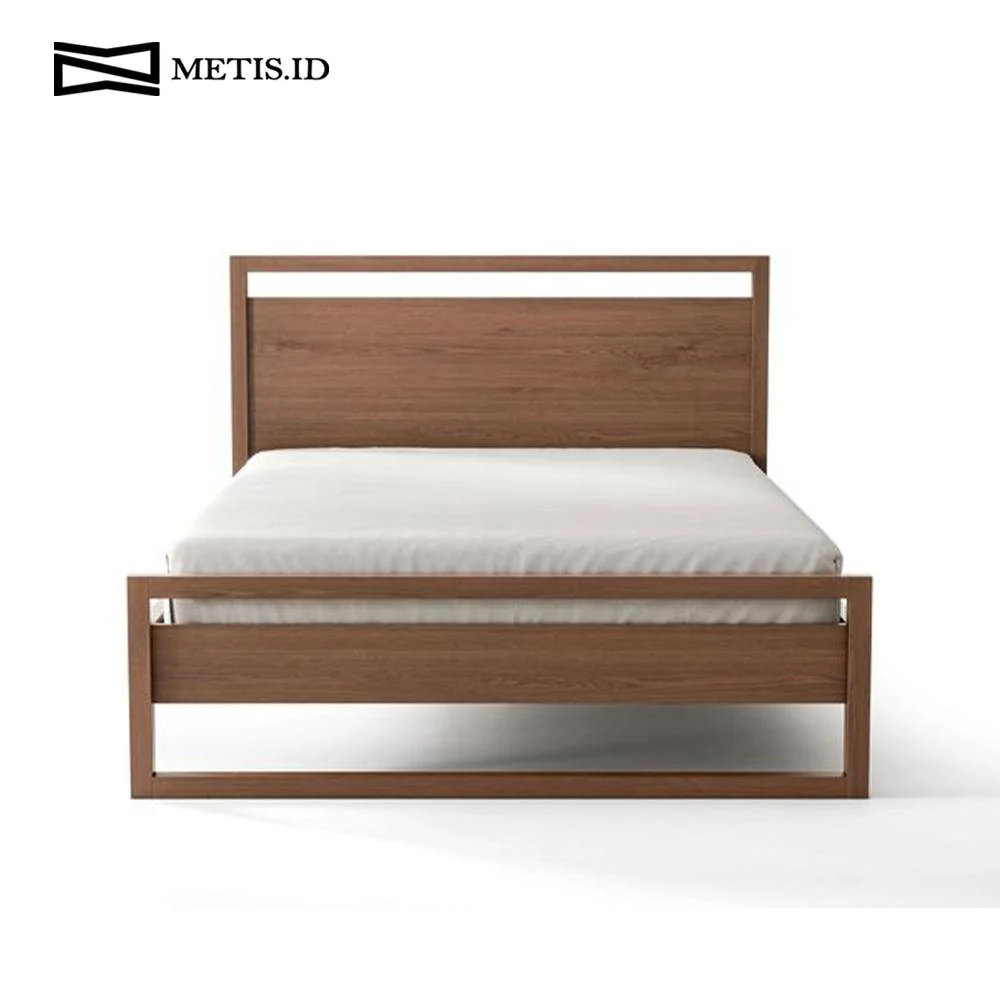
Interior Asia: Memadukan Kayu Jati untuk Hunian Tropis
Few interior choices look as inviting in a photograph as a tropical Asian room warmed by teak. The golden-brown grain, the quiet sheen, and the association with craft and shade all suggest calm. Yet before buying, many homeowners hesitate. Will a full teak set make the room feel dark and heavy? Will solid wood warp in humid air? What size should the dining table be? Is custom furniture from Jepara worth the process, or is it safer to buy a generic piece from a local store? Those are fair questions. The good news is that teak can work beautifully in a tropical home if you treat it as part of a system of light, air, proportion, and care rather than as a matching display.
## The Real Worry Behind Teak in Tropical Interiors
The first worry is visual weight. Teak has a warm, dense character, and a room filled with large brown pieces can feel like a closed wooden box. The second worry is humidity. In tropical climates, wood naturally moves as moisture levels change. That does not mean teak is unsuitable; it means the furniture must be built with movement in mind and placed where air can circulate. The third worry is the buying process. Custom furniture from Jepara can sound remote and risky if you do not know what to ask, what to measure, and how to judge whether a design suits your room.
These worries are practical, not imaginary. They can be handled with clear decisions before you order. A tropical Asian interior does not need less wood. It needs better placement, better proportion, and a finish that respects the climate. Teak is not a decoration to be added at the end. It is a structural part of the room’s mood, so it deserves the same attention you would give to lighting or wall color.
## Why Teak Suits a Tropical Asian Interior
Teak has long been used in warm climates because it is a hardwood with a stable reputation when properly selected and dried. Its grain is calm rather than flashy, and its color sits naturally beside limewash walls, stone, linen, rattan, and green plants. In Asian interiors, teak also carries a sense of continuity. It can recall old houses, carved panels, and family tables without forcing a room into a museum look. The key is to use that warmth with restraint.
Teak is not waterproof, and it is not maintenance-free. No wooden furniture is. But it is forgiving when treated well. A solid teak table can be sanded and refinished later, which is one reason many buyers prefer it to veneered surfaces that cannot be sanded deeply. Teak also accepts different finishes, from a natural matte oil look to a protective matte lacquer. That flexibility matters in a humid home, because the finish you choose affects how the piece ages and how much care it needs.
## Begin With Light, Airflow, and Daily Use
Before choosing a teak dining table or wardrobe, look at the room as it actually behaves. Notice where morning and afternoon light fall. Check which walls feel damp. Watch how doors open, where people walk, and where the air moves. A large teak piece placed against a dark wall in a low-airflow corner will feel heavier than the same piece beside a lighter wall with space around it. This is not about following a trend. It is about reducing the conditions that make wood feel oppressive or vulnerable.
A practical first step is to mark the footprint of the furniture on the floor with painter’s tape. Live with that outline for a day. Does it block a door swing? Does it leave enough room to pull out a chair? Does it crowd the window? For a dining area, allow about 90 cm of clearance from the table edge to the nearest wall or large obstacle so chairs can move comfortably. For main walkways, keep at least 60 to 90 cm where people pass regularly. These are common planning guides, not rigid rules, but they prevent the most common mistake: buying by photo rather than by floor plan.
Another practical step is to decide how many teak pieces the room can carry. In a small tropical room, one strong teak anchor is often enough: a dining table, a low sideboard, or a bed frame. Let other surfaces stay lighter. If you want more wood, repeat it in a smaller element such as a side table or a frame rather than adding another large mass. This keeps the Asian tropical feel without turning the room into a showroom of matching brown furniture.
## Use Proportion to Keep Teak From Feeling Heavy
Teak feels heavy when its scale is wrong for the room. A dining table that is too tall or too deep makes chairs feel awkward. A coffee table that is too high competes with the sofa. A wardrobe that is too shallow does not hold everyday items, while one that is too deep can block circulation. Common interior dimensions are useful starting points. A standard dining table height is around 75 cm, with dining chair seat height around 45 cm. A coffee table is often 40 to 45 cm high, and it usually sits about 40 to 50 cm from the sofa. A sideboard is commonly 80 to 90 cm high and 40 to 45 cm deep. A wardrobe needs roughly 60 cm of internal depth for hanging clothes, and a bedside table is often 45 to 50 cm high.
These numbers are guides, not laws. The right size depends on the people who use the room. If your family is tall, a slightly higher table may feel better. If the room is narrow, a shallower sideboard may be wiser. This is where custom furniture from Jepara becomes useful. You can adjust the dimensions and model to the room instead of forcing the room to accept a standard size. In a tropical home, that adjustment is not a luxury. It is a way to keep air moving and daily life comfortable.
## Choose the Right Finish and Construction for Humidity
In a humid climate, the finish matters as much as the wood. A natural oil finish looks soft and tactile, and it can be refreshed when the surface begins to look dry. It requires more attention because oil finishes are more open to moisture and stains. A matte lacquer finish creates a more protective film and is often easier to wipe clean, but it can look less natural if applied too heavily. High-gloss finishes can make teak look synthetic and show dust and fingerprints more clearly. For most tropical Asian interiors, a low-sheen matte finish is a sensible middle ground.
Construction deserves equal attention. Ask how the wood is dried and how the panels and joints are designed to allow natural movement. A responsible producer should be willing to explain the joinery and the finish in plain language. Avoid any piece that feels unstable, has gaps that are already opening, or smells strongly of solvent. If you are ordering custom furniture from Jepara, confirm the dimensions, the wood type, the finish, and the visible details in writing before production. This is not a lack of trust. It is good practice for any custom order.
## Avoid These Common Buying Mistakes
One common mistake is buying a full matching set before measuring the room. A matching bedroom set can look elegant in a large space, but in a smaller tropical room it can feel crowded. Another mistake is choosing a dark stain to hide marks. Dark stains can make teak look heavier and can be harder to touch up later. A natural or light warm tone usually sits better beside tropical light.
A third mistake is placing wooden furniture directly against a damp wall with no gap. Leave about 5 to 10 cm between the back of a large piece and the wall where possible so air can move. A fourth mistake is using harsh cleaners or leaving water to sit on the surface. Wipe spills promptly and dry the area with a soft cloth. A fifth mistake is ordering by photo without checking doorways, stairs, and turning space. Measure the narrowest path into the room before you commit. A sixth mistake is ignoring the finish sample. If you can, ask to see how the finish looks on teak rather than on a different wood, because the same finish can read very differently on a warm brown surface.
## How to Order Custom Teak Furniture From Jepara With Confidence
A calm custom order starts with information. Make a simple floor plan with the room’s dimensions, then mark doors, windows, power points, and walkways. Note the furniture size you need and the maximum size that can physically enter the room. Collect two or three reference images, but describe what you like about them: the height, the edge profile, the leg shape, the amount of carving. This helps a producer understand your intent without guessing.
Use the consultation to ask practical questions. How will the piece be finished? How should it be cared for in a humid room? Which parts are solid teak? How are the joints designed? What is the final size? If a detail is unclear, ask for it to be confirmed in writing. METIS Interior produces custom teak furniture from Jepara, with sizes and models that can be adjusted to your room, and offers consultation through WhatsApp. That conversation is the right place to discuss proportions, finish, and details before you decide.
## Care That Actually Matters in a Humid Home
Teak care is mostly about consistency. Dust with a soft cloth before dirt becomes abrasive. Wipe spills quickly, then dry the surface rather than leaving it wet. Use coasters under glasses and felt pads under objects that might scratch. Avoid placing hot pans directly on the wood. In humid weather, keep air moving through the room when you can. Do not wrap wooden furniture tightly in plastic or push it into a sealed, damp corner.
If the surface looks dry rather than simply dusty, that is the time to consider refreshing the finish, especially with an oil finish. Do not follow a fixed calendar just because someone else does. Look at the piece. If water no longer beads lightly on the surface, or if the color looks faded and dry, ask the producer for the correct care product for that finish. Avoid silicone-heavy polishes and unknown cleaners. Simple care done regularly is better than a strong treatment done once and forgotten.
## Blend Teak With Modern Asian Style
The most successful tropical Asian interiors do not treat teak as the only material. They set it against limewash or warm white walls, natural stone, woven textures, and greenery. Teak provides the anchor; lighter materials provide the breath. A teak dining table can sit beside simple linen curtains and a stone floor without feeling traditional. A teak sideboard can look modern if its lines are clean and the carving is restrained. In a small room, choose simpler profiles. In a larger room, you can allow one more detailed piece, but let it be the focal point.
Lighting matters too. Warm, diffused light brings out the grain without making the room look yellow. A single pendant over a dining table or a pair of wall lights beside a sideboard can do more than a row of bright ceiling lights. Plants should feel placed, not crowded. A large teak piece needs visual space around it, so resist filling every surface. This is the difference between an Asian tropical interior that feels calm and one that feels heavy.
## A Final Checklist Before You Commit
Before you order, measure the room, the doorway, and the path into the room. Mark the furniture footprint on the floor. Check the clearance around dining chairs and walkways. Decide whether teak will be the main anchor or a secondary accent. Choose a low-sheen finish that suits daily use. Ask how the wood is dried and how the joints allow movement. Confirm the final dimensions, model, and finish in writing. Plan how you will clean and protect the surface. Leave a small gap from damp walls. These steps do not require special expertise, but they remove most of the uncertainty that makes buyers delay.
## Contoh produk terkait
Beberapa contoh produk yang bisa dilihat sebagai gambaran: [Meja Jati Besi Natural MM003](/produk/meja-jati-besi-natural-mm003), [Kursi Makan Jati Besi Busa Natural DC023](/produk/kursi-makan-jati-besi-busa-natural-dc023), dan [Kursi Santai Jati Besi Busa Natural KS081](/produk/kursi-santai-jati-besi-busa-natural-ks081).
If you are planning a teak piece for a tropical Asian home, METIS Interior produces custom teak furniture from Jepara, with sizes and models that can be adjusted to your room, and offers consultation through WhatsApp. You can begin with your room measurements and a few reference images, then discuss the proportions, finish, and details before deciding.