Cost Breakdown: Custom Teak Furniture from Indonesia
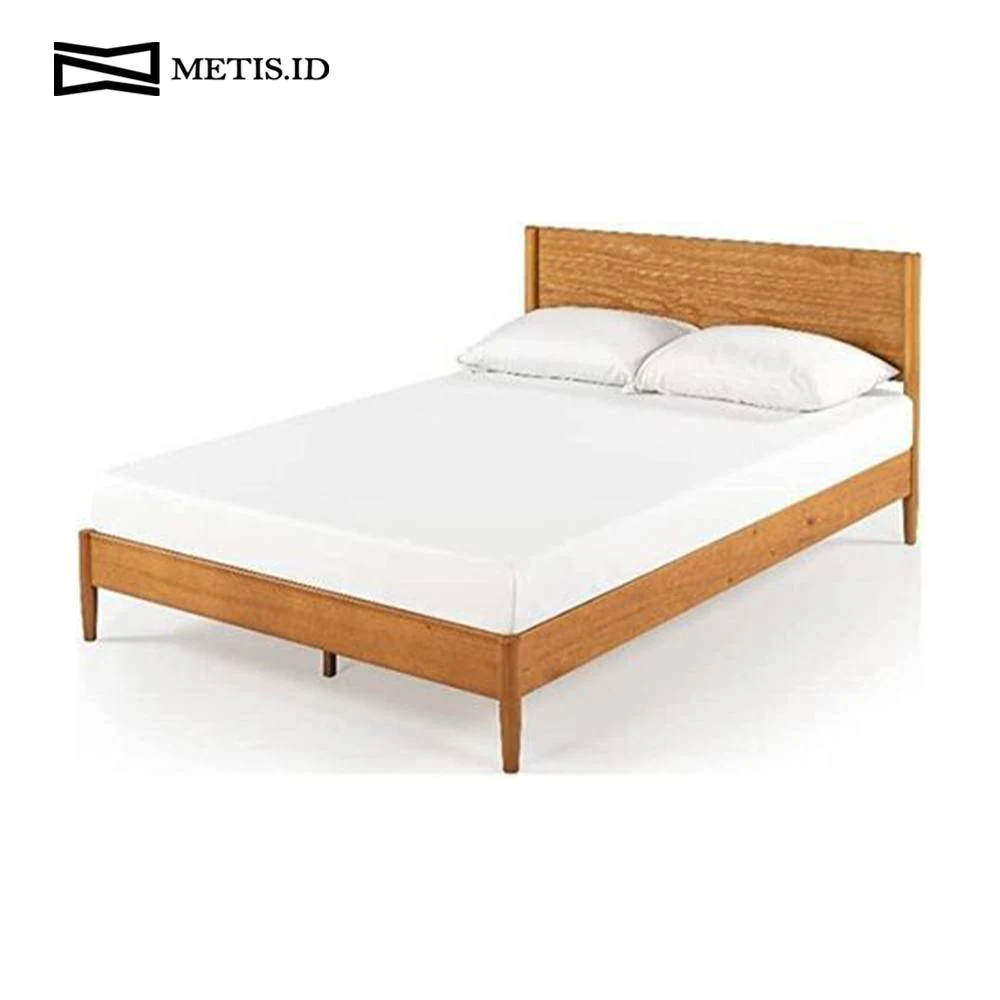
Cost Breakdown: Custom Teak Furniture from Indonesia
Many buyers are excited about custom teak furniture from Indonesia until the first quote arrives and the number feels impossible to read. The furniture may look simple in a photo, but the quote can sit between several unknowns: how much is the wood, how much is the labor, why does a larger table cost more, what happens if the finish is changed, and who pays for packing and delivery. The real problem is not simply price. It is the lack of a clear cost structure. When you cannot see what you are paying for, it is hard to tell whether a quote is reasonable, whether you are comparing two workshops fairly, or whether you are about to make an expensive mistake in size or material.
This article breaks down the logic behind custom teak furniture costs without pretending that one number fits every project. A responsible quote depends on dimensions, design, wood selection, joinery, finishing, packing, and destination. Instead of chasing a magic figure, it helps to understand the cost drivers, the measurements that affect them, and the practical questions that keep a custom order from becoming a guessing game. That is especially true when you buy custom furniture from Jepara, where the same visual design can be built in very different ways.
## Why a Custom Teak Quote Is Hard to Compare
A custom teak quote is hard to compare because it is rarely just a price for a chair or a table. It is a bundle of decisions. One quote may include thicker wood, more handwork, a more complex finish, and export-grade packing. Another may look cheaper because it uses thinner boards, fewer structural joints, a simpler finish, or excludes freight. If you compare only the headline number, you are not comparing the same product. You are comparing two different sets of assumptions.
The practical solution is to ask for a written scope before you discuss money in detail. The scope should list dimensions, model or drawing reference, which parts are solid teak, the type of finish, the joinery approach, packing method, and delivery terms. Ask what is included and what is excluded. A quote that separates material, labor, finishing, packing, and freight is easier to trust because you can see where changes will push the cost up or down. This one habit prevents most of the confusion that surrounds custom furniture Jepara purchases.
## What You Are Actually Paying For in Teak Furniture
The first cost driver is the wood itself. Teak is a dense hardwood with natural oils that help it resist moisture, which is one reason it is valued for furniture. But not every board inside a teak workshop is equal. Heartwood, sapwood, grain direction, colour variation, width, thickness, and defects all affect how much usable material comes from a batch. A design that needs wide, clear, colour-matched boards creates more waste than a design that can use narrower pieces. That waste is part of the cost, even if you never see it in the final piece.
The second driver is preparation. Wood must be dried and acclimated properly before it is cut and assembled. If the moisture content is not stable for the destination climate, a solid wood piece may move, cup, or develop gaps later. Buyers do not need to become drying experts, but they should ask how the wood is prepared and whether the workshop accounts for the climate where the furniture will live. This is not a decorative detail. It is part of why two apparently similar teak tables can carry very different costs.
The third driver is labor and skill. Cutting, jointing, shaping, sanding, and finishing are time-intensive. Carving or curved profiles take more time than straight lines. A workshop in Jepara may have deep woodworking experience, but experience still has to be paid for. When you buy from a producer rather than a middleman, you are often paying closer to the actual work, but you still need to understand what work is being done.
## The Material Cost: Wood Selection, Grain, and Yield
Wood selection is where many buyers lose control of the budget without realizing it. If you ask for a large dining table with a perfectly uniform top, the workshop must find boards that match in tone and grain, and it must cut around knots, cracks, and colour shifts. That increases the amount of wood consumed for the visible surface. If you accept a more natural look with variation, the yield improves and the cost structure becomes more efficient.
A practical suggestion is to ask which parts of the piece are solid teak and which parts, if any, use another material. Visible surfaces and structural parts matter most. Ask how the grain will run on the tabletop, seat, or door panel, and ask whether the design allows for natural colour variation. For custom furniture, this conversation should happen before the drawing is final. It is also fair to ask how offcuts and internal parts are handled, because a transparent workshop can explain its material choices without vague claims.
## Size and Design Complexity: Where Measurements Change the Cost
Size changes cost because it changes wood volume, structural requirements, and packing volume. A small side table and a long dining table may look related in style, but they are not the same engineering problem. A longer span needs stronger support. A deeper cabinet needs more material and more careful door alignment. A taller wardrobe may need different handling during packing and delivery. Curves, angled legs, carved panels, and fitted drawers add labor because they are slower to build and slower to finish.
Common measurements are useful as starting points, not rigid rules. A dining table height is often around 75 cm, with a chair seat height around 45 cm. A dining table width of about 90 to 100 cm is common for comfortable place settings, while length depends on how many people you want to seat. A sofa seat height is often around 40 to 45 cm, and a coffee table around 40 to 45 cm. A bedside table may sit around 55 to 65 cm high to relate to the bed. For circulation, allow roughly 90 to 120 cm for main walkways where people pass regularly. Cabinet depth commonly falls around 40 to 60 cm depending on use.
A practical suggestion is to tape the outline of the furniture on the floor before you approve the drawing. Then measure doorways, stairs, lift interiors, and turning space. Custom furniture can be adjusted in size and model, but it cannot be made smaller by magic after it is built. If the piece is for a bedroom or dining room, mark the chair pull-out space too, not just the furniture footprint.
## Construction and Joinery: The Hidden Quality Line
Joinery is one of the least visible cost drivers and one of the most important. A table can be assembled with simple fasteners or with interlocking joints that take more time. Drawers can run on basic wooden runners or more complex systems. A chair can be built to look right in a photo but feel different after years of daily use. You do not need to specify every joint yourself, but you should ask how the main connections are made and whether the design accounts for solid wood movement.
A practical suggestion is to request a simple drawing or specification sheet with overall dimensions and key construction notes before you commit. Ask how the top is attached, how the legs are joined, and how drawers or doors are aligned. If a workshop cannot explain these points clearly, that is useful information. Good custom work is not about hiding the method. It is about agreeing on a method that fits the way you will use the furniture.
## Finish, Packing, and Delivery: Costs Buyers Forget
Finish is both visual and practical. A natural oil finish and a matte lacquer look different, behave differently, and require different maintenance. More coats, hand-sanding, and special sheen levels add labor and drying time. The finish also affects how the furniture should be cleaned. A practical suggestion is to ask what finish is being used, what it looks like in normal room light, and how the surface should be cleaned in the first month and beyond. Avoid harsh chemicals and standing water on any wood finish.
Packing and delivery are often forgotten until the end. Custom furniture is bulky, and the cost of moving it depends on volume, route, access, and how much protection is needed. A large tabletop may need more careful packing than a small stool. A practical suggestion is to ask for packing dimensions, not just furniture dimensions, and to measure the delivery path before the piece is finished. Narrow doors, tight stair turns, and small lifts are common reasons a well-made piece becomes a stressful delivery. Clarify delivery terms in writing so you know where the responsibility changes hands.
## Common Cost Mistakes Buyers Make
The most common mistake is comparing quotes without comparing scope. One buyer sees a lower number and assumes it is better, but the lower quote may exclude packing, use thinner material, or simplify the joinery. Another common mistake is ordering an oversized piece because the showroom photo looked balanced. In a real room, a table that is 10 cm too long can block circulation, and a wardrobe that is 5 cm too deep can make a hallway feel tight. Measure your room, not just your old furniture.
A third mistake is leaving the finish and maintenance conversation too late. Finish affects cost and daily life. A fourth mistake is assuming custom means unlimited changes after production starts. Changes are easiest before drawings are approved and wood is cut. A fifth mistake is forgetting that solid teak is a natural material. Colour variation and grain differences are normal, not defects. A practical suggestion is to keep a written list of your priorities: dimensions first, then construction, then finish, then decorative details. When the budget needs to be adjusted, you can simplify the least important layer instead of compromising the structure.
## How to Plan Your Budget Without Chasing a Number
A sensible budget plan starts with the room and the use, not with a catalogue photo. Decide the maximum footprint the room can handle, then decide which pieces must be custom and which can be simpler. A custom teak dining table may justify more investment because it anchors the room and is used daily. A decorative side piece may be simpler. Ask for a quotation with clear categories so you can see which change saves money and which change only changes appearance. Keep a separate allowance for packing and delivery, because those are real parts of the project, not afterthoughts.
A practical suggestion is to request the quote in stages: first the concept and dimensions, then the material and finish specification, then the packing and delivery arrangement. This lets you stop and reconsider before the project becomes complicated. It also protects both sides from misunderstandings. When you buy from a producer in Jepara, clear communication is part of the product. The furniture is custom, so the process should be custom too.
## Caring for Custom Teak So the Cost Pays Off
Teak is durable, but it is not maintenance-free. Keep indoor furniture away from prolonged moisture and direct heat. Wipe spills promptly with a soft, slightly damp cloth and dry the surface. Use coasters under glasses and felt pads under objects that might scratch the surface. If the finish is oil-based, follow the maker’s guidance on re-oiling rather than experimenting with random products. If the finish is lacquered, avoid abrasive cleaners that dull the sheen.
Humidity matters. Solid wood responds to changes in moisture, so avoid placing furniture against a damp wall or directly in front of a strong heat source. A practical suggestion is to keep indoor humidity as stable as reasonably possible and to avoid covering a new solid wood piece tightly with plastic. For daily care, dust regularly with a dry or slightly damp soft cloth. These habits do not cost much, but they protect the investment you have already made in custom teak furniture.
## A Calm Way to Start Your Custom Order
The best way to understand the cost of custom teak furniture from Indonesia is to replace vague assumptions with a clear scope. Know your measurements, ask what is solid teak, understand the joinery, choose a finish you can care for, and clarify packing and delivery before production. That approach will not make every quote identical, because custom work is not identical. It will make the quotes readable, and it will help you choose a workshop that can explain its work plainly.
## Contoh produk terkait
Beberapa contoh produk yang bisa dilihat sebagai gambaran: [Meja Jati Besi Natural MM003](/produk/meja-jati-besi-natural-mm003), [Kursi Makan Jati Besi Busa Natural DC023](/produk/kursi-makan-jati-besi-busa-natural-dc023), dan [Kursi Santai Jati Besi Busa Natural KS081](/produk/kursi-santai-jati-besi-busa-natural-ks081).
If you are planning a custom piece, METIS Interior produces custom teak furniture from Jepara with dimensions and models that can be adjusted to your space. You can discuss your room, size, and design direction through WhatsApp consultation, and turn the cost conversation into a practical planning conversation before you decide.